


When Can a Baby Use a Push Walker?
Watching your baby take their first steps is a thrilling milestone, but many parents wonder: when is it safe to introduce a push walker? Between excitement and worry, it’s natural to have questions about timing, safety, and developmental readiness. This guide will help you understand the right age for push walker use, how they support early walking, and how to choose a product that aligns with your baby’s growth and safety needs.
Signs Your Baby Is Ready for a Push Walker
Every baby develops at their own pace, but certain signs indicate that your little one might be ready to explore with a push walker:
- Can stand holding onto furniture: If your baby can pull themselves up and maintain balance while holding on, they are developing the core strength needed for push walker use.
- Cruises along furniture: Moving sideways while holding furniture shows coordination and leg strength.
- Shows interest in walking independently: Babies who actively try to step forward while supported are often ready to practice more controlled walking.
- Sufficient head and trunk control: A stable torso and head are crucial to prevent falls and support confident movement.
Use this checklist as a practical, observational guide, but remember: each child develops differently, so readiness is not strictly tied to age alone.
Push Walker vs Baby Walker: What’s the Difference?
Many parents confuse push walkers with traditional baby walkers, but the difference matters—for both safety and developmental outcomes. Choosing the right type can help your baby learn to walk naturally while reducing the risk of injuries.
- Traditional baby walkers: Usually have a seated design with wheels underneath. While they let babies move independently, studies indicate that they may delay natural walking milestones and increase the risk of falls or injuries.
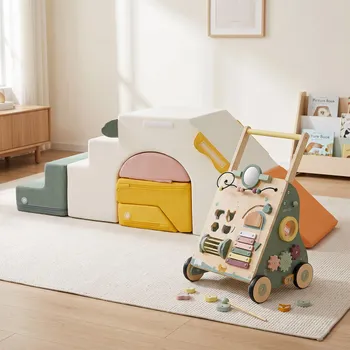
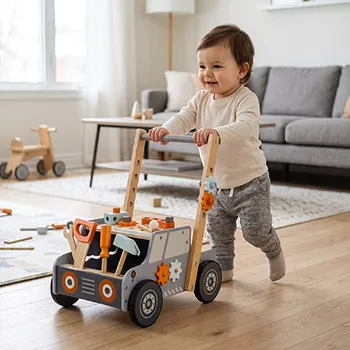
- Push walkers: These are upright, wheeled aids that your baby can push while standing. They support balance, strengthen leg muscles, and encourage proper walking posture. Unlike traditional walkers, push walkers are less likely to promote unnatural gait patterns.
By understanding these differences and following practical safety steps, parents can confidently use a push walker to support natural walking development without compromising safety.
What Age Can Babies Start Using a Push Walker?
Most babies are ready for a push walker around 12 months of age, though some may be ready a bit earlier, around 9–10 months, depending on their development. Key factors to consider:
- Muscle development: Babies should have enough leg strength to push the walker without support.
- Balance: They should be able to maintain an upright position while moving.
- Interest and curiosity: A desire to explore is often a good indicator that your baby will benefit from guided walking practice.
It’s important not to rush. Introducing a push walker too early can lead to frustration or even safety hazards.
How Push Walkers Support Early Walking Development
Push walkers offer more than mobility—they actively support critical aspects of physical development:
- Strength and coordination: Pushing a walker engages leg, core, and arm muscles, promoting overall motor skills.
- Balance and stability: Upright movement helps babies develop proper posture for independent walking.
- Confidence: Successfully navigating small distances builds self-assurance and encourages repeated practice.
- Safe exploration: Within a controlled environment, babies can explore movement without relying solely on furniture for support.
With the right supervision, push walkers can be an excellent complement to natural walking development, bridging the gap between cruising and independent steps.
How to Choose the Right Push Walker
Selecting a push walker involves more than just picking a cute design. A well-chosen walker should support your baby’s physical development, provide stability, and be safe for everyday use. Choosing the right one helps your little one gain confidence while exploring, without compromising safety. Here are the key factors parents should consider in detail:
Stability (Why Weight Matters)
A push walker’s stability is arguably the most important feature for safety. A wide, well-balanced base reduces the risk of tipping, giving your baby a secure foundation as they practice walking. Walkers that are slightly heavier offer natural resistance, which encourages your child to push with more control and strengthens leg muscles.
However, weight must be balanced—walkers that are too heavy may be difficult for smaller babies to maneuver, while those too light can tip easily. Parents should look for designs that offer both a stable base and manageable mobility, allowing babies to move confidently and safely.
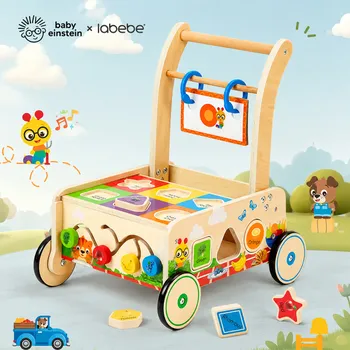
Some high-quality wooden push walkers, such as those from Labebe, are thoughtfully weighted to provide both stability and ease of use, combining safety with a natural, Montessori-friendly aesthetic.
Wheel Resistance (Speed Control)
The wheels of a push walker play a crucial role in controlling movement. Adjustable wheel resistance helps beginners practice walking at a safe, steady pace. If wheels move too quickly, babies may lose control and fall, which can be frustrating for both child and parent. Conversely, smooth and controlled wheel motion encourages babies to focus on balance, coordination, and confident stepping.
When evaluating wheel performance, consider:
- Are the wheels smooth but not slippery?
- Can resistance be adjusted as your baby gains strength?
- Do they allow gradual skill progression without causing frustration?
Controlled movement is especially important for indoor use, where surfaces may be uneven, and parents want to reduce the risk of accidents.
Material (Wood vs Plastic)
The material of the walker affects both durability and safety.
- Wooden Walkers: These are strong, long-lasting, and environmentally friendly. Their natural weight distribution provides added stability, making it easier for babies to push without tipping. Wooden walkers also tend to last longer and fit seamlessly into home environments, especially those styled with Montessori principles.
- Plastic Walkers: While lightweight and often easier to clean, plastic walkers may compromise stability and wear down more quickly. Some designs can be top-heavy, increasing the risk of falls.
Parents who want a balance of safety, durability, and aesthetic appeal often choose wooden walkers. Designs from Labebe, for example, combine sturdy construction with elegant, natural finishes—perfect for homes that value both functionality and style.
Multi-Function Design
Some push walkers include additional features like interactive panels, removable toys, or storage compartments. These features can enhance engagement, helping babies develop fine motor skills, problem-solving abilities, and curiosity.
However, safety must remain the top priority. Avoid walkers with small removable parts that pose choking hazards, or overly complex designs that could compromise balance. A well-designed walker should seamlessly combine play, learning, and physical development, offering a complete experience without distracting from walking practice.
By considering these factors—stability, wheel resistance, material, and multi-function design—parents can select a push walker that is both safe and developmentally supportive, giving their baby the confidence to take those first steps while exploring the world around them.
Why Many Parents Prefer Wooden Push Walkers
Wooden push walkers are becoming a favorite choice for parents for several compelling reasons. Their solid construction provides enhanced stability, reducing tipping and wobbling, which gives both babies and parents peace of mind. Unlike plastic alternatives, high-quality wood is durable and can withstand years of play, making it a smart long-term investment.
Wooden push walkers are increasingly popular for several reasons:
- Safety: Solid construction minimizes tipping and wobbling.
- Longevity: Wood endures wear and tear better than plastic, offering value over time.
- Educational appeal: Many wooden designs encourage exploratory play and Montessori-style learning, fostering curiosity and fine motor skills.
- Aesthetic fit: Wood complements natural home environments and can feel like a thoughtful addition rather than a toy cluttering the space.
Brands like Labebe offer a carefully curated collection of wooden push walkers, designed with safety, developmental benefits, and timeless design in mind. You can explore their full range at Labebe Baby Push Walkers. Choosing a wooden walker from a trusted brand ensures your child enjoys a safe, stimulating, and stylish introduction to walking.
By choosing a high-quality wooden walker, parents provide a safe, supportive, and engaging tool for early walking development.
When NOT to Use a Push Walker
Knowing when not to use a push walker is just as important as knowing when to start. Using a walker too early or in the wrong circumstances can lead to frustration, slowed development, or even safety hazards. Here are key situations to watch for:
- Premature infants or babies with delayed muscle development: Babies who are born early or who are still building core and leg strength may need more time and support before attempting upright walking. Introducing a push walker too soon can put unnecessary strain on muscles and joints.
- Babies who cannot stand or cruise along furniture: If your child hasn’t yet mastered pulling up, standing while holding onto furniture, or moving sideways while cruising, they are not ready. Forcing push walker use at this stage increases the risk of falls and can be discouraging for your little one.
- Unsuitable environments: Push walkers require a safe, open space. Slippery floors, stairs, rugs that bunch up, or cluttered areas can create hazards. Always ensure there is plenty of room for movement and remove potential obstacles.
- Overreliance: Push walkers should complement, not replace, floor play and independent exploration. Babies need time on the floor to strengthen muscles, practice crawling, and develop coordination naturally. Overusing a walker can limit these essential experiences.
- Short attention span or fatigue: Babies who are tired, fussy, or easily distracted may not benefit from walker sessions. Pushing them to use a walker in these moments can lead to frustration and unsafe handling.
By paying attention to these situations and setting clear boundaries, parents can ensure that push walker use remains both safe and developmentally beneficial, giving babies the support they need without compromising natural growth and confidence.
Final Thoughts: Supporting Your Baby’s First Steps Safely
Introducing a push walker is an exciting step in your baby’s journey toward independence. When used at the right time and in a safe environment, it can enhance balance, strength, and confidence, preparing your little one for a smooth transition to walking on their own.
Choosing a thoughtfully designed walker—particularly sturdy, Montessori-inspired wooden models—supports both safety and developmental growth. Labebe’s push walkers are designed with these principles in mind, making it easier for parents to provide a safe, engaging, and supportive experience for their baby’s first steps.
Remember: observe your child, respect their readiness, and prioritize safety over speed. With Labebe, push walkers become a joyful tool that encourages exploration, learning, and confident movement.
Join labebe today and unlock your welcome discount — a little gift for your little one!

©2025 labebe All Rights Reserved.