

How to Prepare Your Toddler for Preschool: Everyday Habits That Build Confidence at Home
The preschool countdown often starts with a shopping list—backpacks, lunch boxes, extra clothes, and new shoes. But once the shopping is done, many parents still wonder: “Is my child actually ready for preschool?”It is easy to equate preschool readiness with knowing letters, numbers, or colors, yet children also need confidence, communication, routines, and basic independence to navigate a new classroom.
That is why the best way to prepare your toddler for preschool may have less to do with formal lessons and more to do with everyday life at home. Simple habits like putting toys away, washing hands, following routines, asking for help, and helping with small tasks give children repeated opportunities to practice independence—and build confidence before their first day.
Build Daily Routines Before the First Day of Preschool
A predictable routine can make a new preschool environment feel less overwhelming. When children regularly follow a simple sequence at home—getting dressed, eating breakfast, brushing their teeth, and getting ready to leave—they begin to understand what comes next.
Daily routines are also opportunities to practice independence. Instead of doing everything for your toddler, let them choose between two outfits, help prepare a simple snack, put away their shoes, or return toys after playtime. These small responsibilities give children a chance to participate rather than simply follow instructions.
The key is repetition. When children practice familiar routines every day, they gradually become more confident handling similar tasks when preschool begins.
Create a Learning Space That Encourages Independence
You do not need an entire room filled with educational materials to create a preschool learning space.
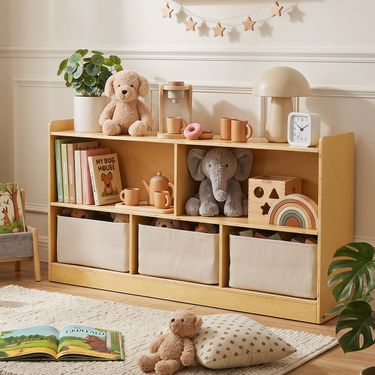
In fact, one small, well-organized corner may work better than a room packed with toys. When children can clearly see where books, art materials, and favorite toys belong, they have more opportunities to make choices without constantly asking an adult what to do next.
Start with the activities your child already enjoys.
If your toddler loves stories, create a comfortable reading corner with a small selection of accessible books. If drawing is a favorite activity, keep paper and washable art supplies near a child-sized table. If your child spends most of the afternoon building with blocks, make space where those materials can be reached and returned independently.
A simple learning space at home might include:
- A low bookshelf where children can see and choose books themselves.
- A child-sized desk or table for drawing, puzzles, and quiet activities.
- Open storage for toys and everyday play materials.
- A clearly defined creative area where supplies are easy to find and put away.
Labebe's current kids furniture range includes child-sized tables and desks, Montessori shelves, bookshelves, and storage solutions designed around accessible organization.
The important part is not the furniture itself. It is the relationship between the environment and the child's behavior. When a shelf is low enough to reach and a storage bin is easy to recognize, "put your toys away" becomes a task the child can realistically complete.
That is one of the most practical principles of Montessori at home: instead of constantly telling children to be independent, create an environment that makes independence possible.
Teach Responsibility Through Everyday Play
Play gives toddlers a natural way to practice skills they will use at preschool. A pretend kitchen, for example, can turn everyday role-play into opportunities to practice communication, cooperation, sequencing, and problem-solving. Children might prepare pretend meals, serve others, or take turns being the chef and customer.
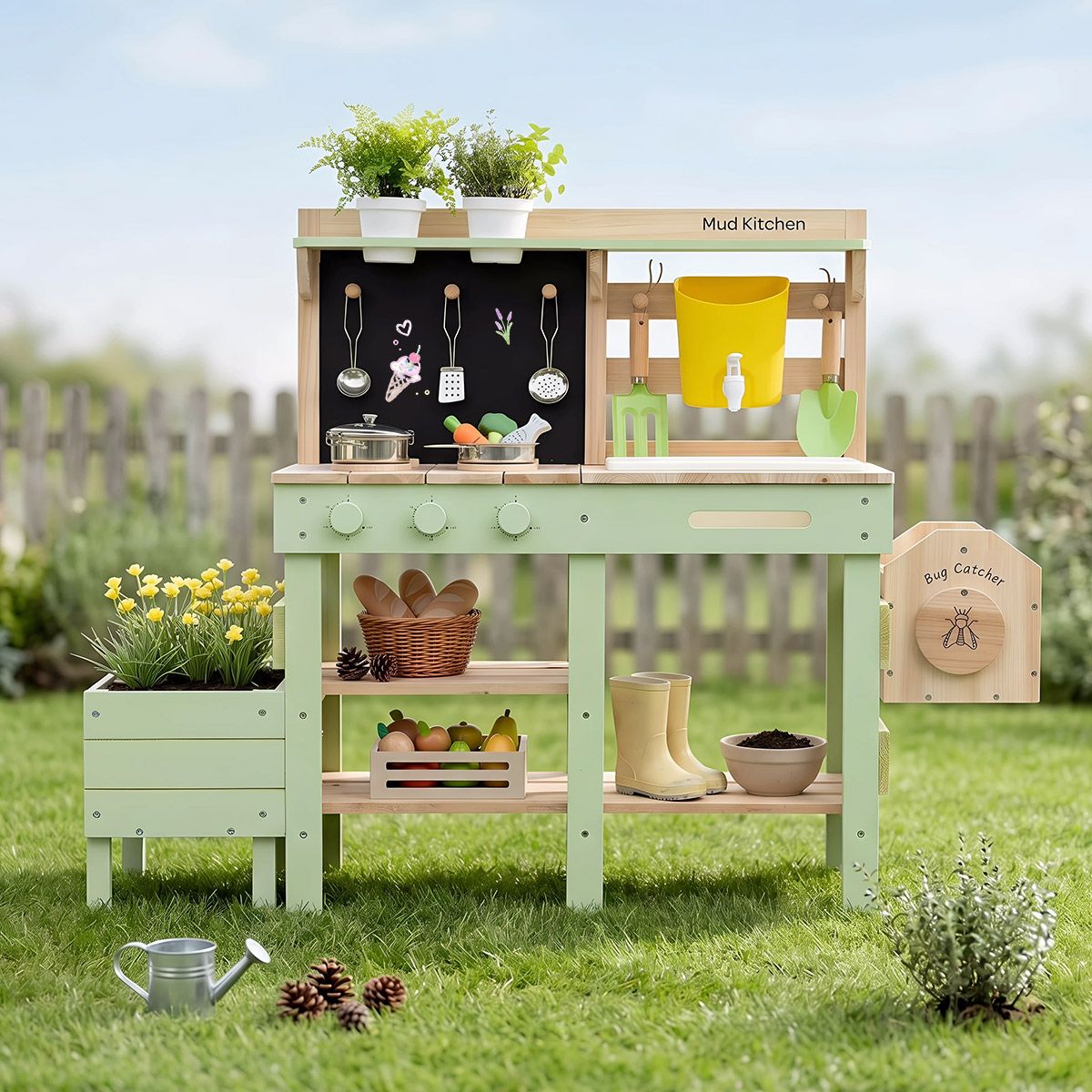
Creative activities can build responsibility, too. After drawing, painting, or playing, children can learn to return materials to their proper places. Labebe's pretend play and children's furniture provide spaces where toddlers can explore these activities while gradually taking more responsibility for their play environment.
Toy organization can make this habit easier. Instead of asking a child to clean an entire room, give them simple tasks such as returning books to a shelf or putting blocks into a storage bin. Accessible storage helps children see where their belongings go and participate in cleanup independently.
These small routines also support independent play. When children can choose an activity, use materials, and tidy up afterward, they begin to manage simple tasks on their own. Keeping only a manageable selection of toys available at a time can make both play and cleanup easier.
Focus on Confidence, Not Academic Skills
Parents often wonder whether their child knows enough before preschool.
Can they recognize letters? Can they count? Do they know their colors? Can they write their name?
These questions are understandable, but preschool readiness involves much more than academic knowledge.
A toddler entering preschool may be surrounded by new experiences. They need to communicate their needs, interact with other children, follow classroom directions, handle transitions, and attempt tasks without a parent immediately stepping in.
That does not mean academic learning is unimportant. It simply means that early academics should not become the measure of whether a child is "ready."
| Parents Often Worry About | Preschool Readiness Also Involves |
| Knowing letters | Following simple routines |
| Counting numbers | Asking for help |
| Writing their name | Communicating basic needs |
| Memorizing colors | Taking turns with others |
| Completing worksheets | Cleaning up after an activity |
| Knowing every answer | Trying something unfamiliar |
Confidence develops when children experience small successes.
A toddler who struggles to put on a jacket but eventually manages one sleeve may not have learned anything that looks academic. Yet they have practiced persistence. A child who spills water while pouring a drink and helps wipe it up has practiced responsibility. A child who cannot finish a puzzle but keeps trying has practiced problem-solving.
These experiences matter because confidence is not something parents can simply teach through encouragement. Children develop it partly by discovering, again and again, I tried it, and I could do it.
For parents wondering how to prepare your toddler for preschool, this is an important shift in perspective. Instead of asking, "What should my child memorize before school?" ask, "What can my child practice doing independently?"
Practice Communication and Separation at Home
Preschool readiness is also about helping children communicate their needs and handle short separations. Toddlers may feel nervous, frustrated, or unsure in a new environment, so practice simple phrases such as “I need help,” “Can I have a turn?” and “Can you help me?” during everyday situations.
Short separation practice can also make preschool feel less unfamiliar. Let your child spend a little time with a trusted family member while you step away, then return as promised. Books and pretend play can reinforce this by letting children act out a preschool morning, from saying goodbye to joining activities and going home.
Preschool Readiness Checklist at Home
Before preschool starts, focus on a few practical habits rather than trying to teach everything at once:
- Washing and drying hands with age-appropriate assistance.
- Following simple one-step instructions.
- Helping with snacks or basic household tasks.
- Putting toys and books away after play.
- Sitting through a short story or activity.
- Expressing basic needs and asking for help.
- Spending short periods engaged in independent play.
Your child does not need to master every skill before the first day. Think of these habits as opportunities to build confidence, not a test of whether your toddler is “ready.”
Make Your Home Feel Like a Place Where Your Child Can Try
One of the easiest mistakes parents make when preparing for preschool is doing too much.
When there is a time limit, it is faster to put on the shoes, pack the bag, clean up the blocks, and pour the drink yourself. But if adults always step in because it is quicker, children have fewer chances to practice.
Preparing for preschool at home is partly about slowing down enough to let children participate.
That might mean giving your toddler an extra five minutes to put away toys before dinner. It might mean allowing them to choose a book instead of choosing for them. It could mean letting them help prepare a simple snack, even when the kitchen gets a little messier.
A child-sized desk can provide a consistent place for drawing, reading, or quiet activities. An accessible bookshelf can make choosing a story part of the bedtime routine. Open toy storage can turn cleanup into a manageable responsibility rather than a task controlled entirely by a parent.
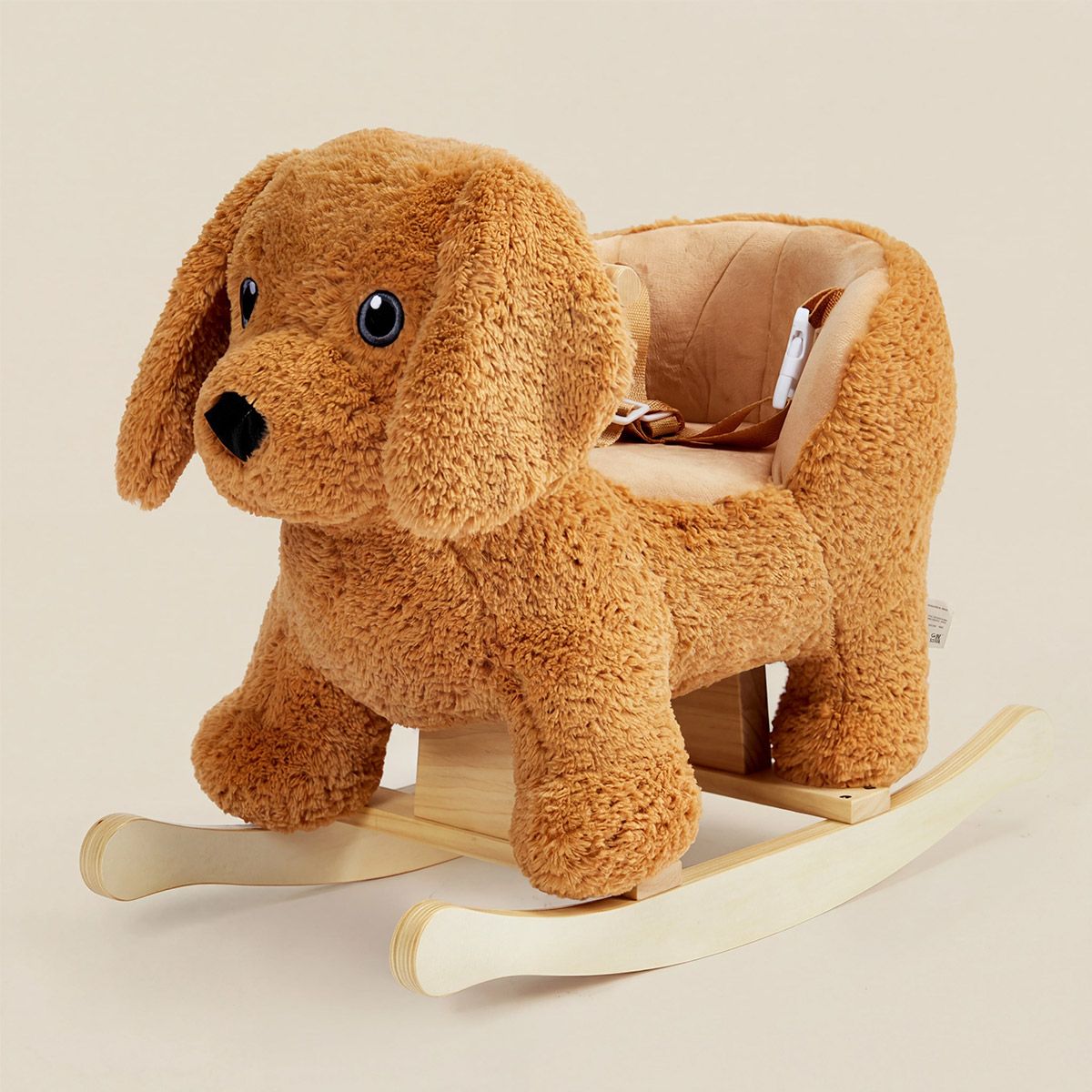
The environment does not need to be perfect. It needs to be understandable.
When children know where things belong and can reach appropriate materials themselves, they begin to make more decisions independently. That is a practical foundation for preschool readiness.
FAQ: Preparing a Toddler for Preschool
What should I teach my toddler before preschool?
Focus on practical life skills, communication, routines, and confidence rather than trying to complete a formal academic curriculum. Washing hands, cleaning up toys, following simple instructions, asking for help, and practicing short periods of independent play are all useful.
How can I prepare my toddler for preschool at home?
Start with predictable routines and gradually give your child more responsibility. Let them participate in dressing, snack preparation, toy cleanup, story time, and simple household tasks. A child-friendly learning space can also make independent choices easier.
Does my toddler need to know letters and numbers before preschool?
Not necessarily. Expectations vary between schools, but preschool readiness generally includes social-emotional skills, communication, following routines, and increasing independence. Early academic concepts can continue developing naturally through everyday play and activities.
How can I reduce preschool anxiety?
Familiar routines, short separation practice, books, and pretend play can help children understand what to expect. Talk about preschool positively without promising that every moment will be easy. Give your child simple language for asking for help when they feel unsure.
Conclusion
Preparing your toddler for preschool starts with the small things they do every day. Simple routines, practical responsibilities, and opportunities to make choices can gradually build the independence and confidence they need for a new classroom.
You do not need to create a perfect learning environment. Give your child space to try, make mistakes, help out, and say, “I can do it myself.” Labebe’s Montessori-inspired furniture and play products can help create a home environment where those everyday moments happen naturally.
Looking for child-friendly furniture and play products to support these everyday routines? Explore Labebe's limited-time offers.
Join labebe today and unlock your welcome discount — a little gift for your little one!

©2025 labebe All Rights Reserved.